Complaints Procedure for Cleaners E14
 A clear complaints procedure helps ensure that cleaning services are handled professionally, fairly, and consistently. For cleaners E14, a well-structured process gives clients a simple way to raise concerns when standards fall short, while also helping cleaning teams review issues and improve the service. A good procedure should be easy to understand, respectful in tone, and focused on resolving problems quickly.
When people hire cleaners in E14, they expect the work to be completed with care, attention, and reliability. However, even strong cleaning arrangements can sometimes lead to concerns about missed areas, damaged items, delays, or communication problems. A proper complaints procedure makes sure these matters are addressed in an orderly way rather than becoming confusing or repeated disputes.
 The purpose of a cleaning complaints process is not only to deal with mistakes, but also to protect the quality of service over time. If someone feels the work was incomplete or not delivered as agreed, the issue should be recorded, reviewed, and responded to promptly. This creates a fair outcome for the customer and gives the cleaning provider a chance to correct any shortcomings.
Any complaint should begin with a clear description of the problem. It is helpful to note what happened, when it happened, and which part of the cleaning service was affected. For example, a customer might report that a room was overlooked, surfaces were not properly sanitised, or certain tasks were completed later than expected. Specific details allow the matter to be assessed more accurately.
Once a complaint is received, it should be acknowledged without delay. A professional response shows that the issue is being taken seriously. The cleaning company or service provider should review the concern, check the available information, and decide whether the problem relates to service quality, scheduling, equipment, or communication. The goal is to identify the facts before deciding on a resolution.
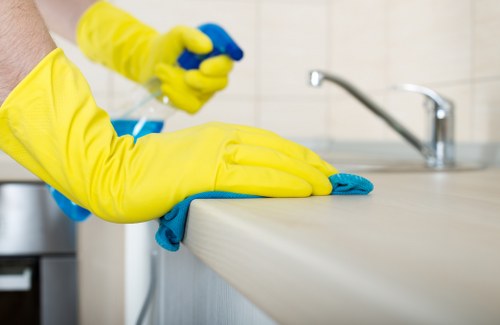 In many cases, the best approach is to offer a practical solution. This may include a return visit, re-cleaning of affected areas, correction of missed work, or an explanation where the issue arose from misunderstanding. A strong complaints procedure for cleaners should be focused on action rather than excuses, because prompt correction often restores trust more effectively than long discussions.
It is also important to treat all concerns consistently. Whether the complaint is minor or more serious, the process should follow the same general steps: record the issue, investigate it, respond clearly, and confirm the outcome. Consistency reduces confusion and helps maintain a professional standard across different jobs and customer situations.
Communication plays a central role in the complaints process. Responses should be polite, straightforward, and free from defensive language. Even when the complaint is not fully upheld, the customer should still receive a respectful explanation. This helps demonstrate that the service values fairness and is willing to review any concerns carefully.
Where a complaint involves damage or loss, the matter may need additional review. The service provider should examine what happened, consider any relevant reports, and determine whether responsibility can be established. If compensation or repair is appropriate, that outcome should be explained clearly. A reliable cleaners complaints policy should avoid vague promises and instead define how such situations are handled.
Record keeping is another essential part of the procedure. Each complaint should be documented with the date received, the nature of the issue, the action taken, and the final result. These records help identify patterns, such as recurring problems with certain tasks, equipment, or scheduling arrangements. Over time, this can lead to better training and improved service management.
A fair process should also allow the customer to escalate the complaint if the first response does not resolve the matter. Escalation does not need to be complicated; it simply means that the issue can be reviewed again by a senior member of staff or another responsible person. This provides reassurance that the concern has not been dismissed too quickly.
 At the same time, the complaints procedure should avoid unnecessary delay. The longer a problem remains unresolved, the harder it becomes to reach a satisfactory conclusion. Timely handling is especially important in cleaning services, where small issues can affect comfort, hygiene, and confidence in the overall service. A responsive approach shows professionalism and accountability.
For cleaning services in E14, the best complaints process is one that is simple, transparent, and easy to follow. Customers should know how to raise an issue, what information to provide, and what kind of response to expect. Staff should be trained to listen carefully, respond calmly, and keep the focus on resolution. This makes the procedure useful in practice rather than just existing on paper.
Professional cleaners also benefit from a proper complaints procedure because it gives them a fair way to address concerns and correct misunderstandings. Not every complaint means poor workmanship; sometimes the issue is caused by unclear instructions or changed expectations. A structured process helps separate genuine service failures from communication errors, which supports better outcomes for both sides.
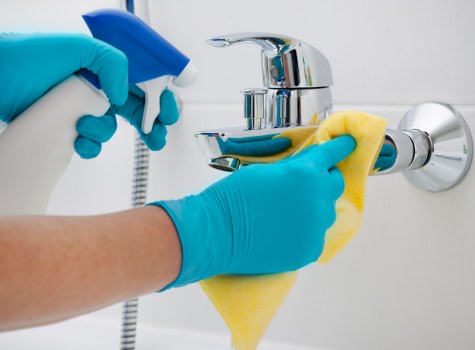 A strong complaints procedure ultimately protects service quality. By handling concerns in a disciplined and respectful way, cleaners E14 can maintain higher standards, reduce repeated problems, and build a more reliable service framework. The result is a cleaner, more accountable process that supports customer confidence and long-term improvement.